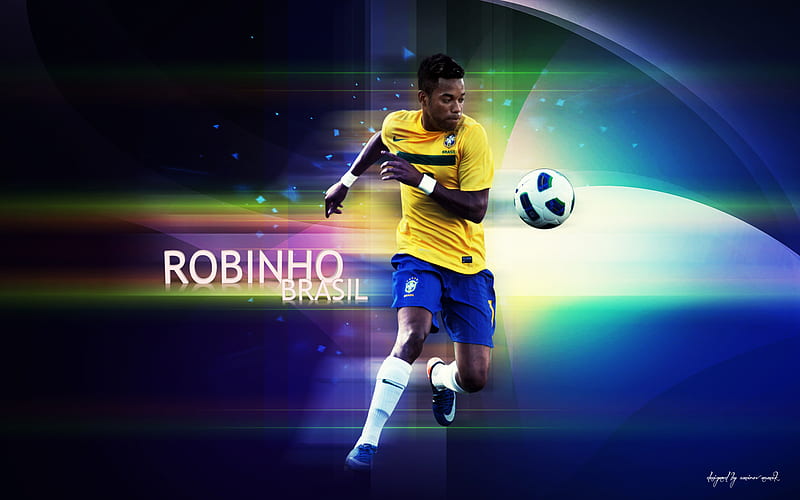
On the football pitch, few players have ever embodied joy, creativity, and sheer audacity quite like Robinho. Born in São Vicente, Brazil, in 1984, Robson de Souza—better known as Robinho—showed from an early age that football was more than just a game for him; it was a canvas, a stage, a language through which he could express himself. From the moment he first touched a ball as a child, his movements were fluid, instinctive, and unpredictable. His dribbling was not simply a skill to bypass opponents—it was a form of storytelling, a way of leaving everyone who watched him in awe, whether on a dusty street in Brazil or under the bright lights of a European stadium.
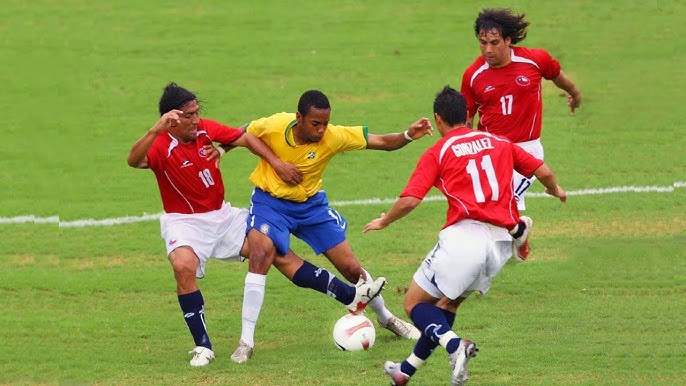
Robinho’s early career at Santos FC in Brazil was nothing short of spectacular. He became a symbol of the Brazilian style of play: flair, creativity, and fearlessness. Opponents never knew what he would do next. A sudden burst of pace, a subtle feint, a body swerve that left defenders flailing—it all became signature moves in his arsenal. The artistry of his dribbling wasn’t just about beating a single player; it was about controlling the rhythm of the game, commanding attention, and telling a story with every touch. Watching him, one could sense the influence of the legends before him, yet his style was uniquely his own—energetic, mischievous, and endlessly inventive.
What set Robinho apart from other talented players wasn’t just his technical ability—it was his instinct and understanding of space. In football, timing is everything. The difference between a successful dribble and a loss of possession is measured in milliseconds. Robinho had an almost preternatural sense of when to accelerate, when to hold the ball, and when to shift the play. He seemed to anticipate the movements of defenders even before they made them, allowing him to glide past them as if he were dancing. Each game he played became a narrative, with defenders as unwitting characters in his story.
One of the most memorable aspects of Robinho’s dribbling was his unpredictability. Football is a game of patterns: defenders study, anticipate, and react. But Robinho defied patterns. He could execute a rainbow flick over an opponent’s head, then immediately accelerate into open space, leaving both defenders and fans astonished. His dribbling was playful yet effective—a rare combination that few players can master. To watch Robinho in full flow was to witness improvisation and instinct merging seamlessly with strategy. He made football feel like a living, breathing art form, where every touch on the ball carried intention and flair.
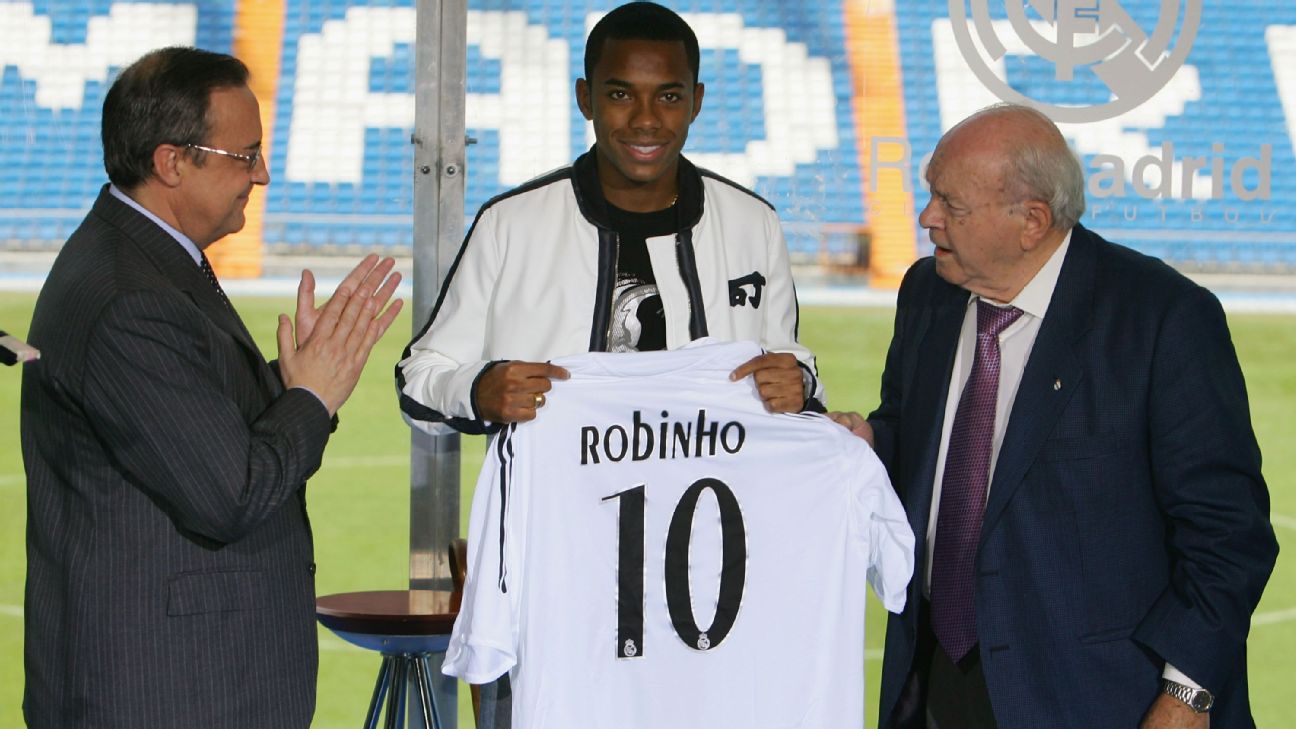
Robinho’s talents were recognized early, leading to a high-profile move to Real Madrid in 2005. In Spain, he became part of a galaxy of stars, and yet he still managed to shine individually. Against some of the best defenders in the world, Robinho’s dribbling remained his defining characteristic. Whether it was a tight space inside the box or a fast counterattack down the flank, he could manipulate the ball with such finesse that it seemed almost effortless. It wasn’t just his feet that did the talking; his confidence and vision allowed him to dictate the flow of the game. Every match was a lesson in creativity and improvisation, and his fans learned to expect the unexpected.
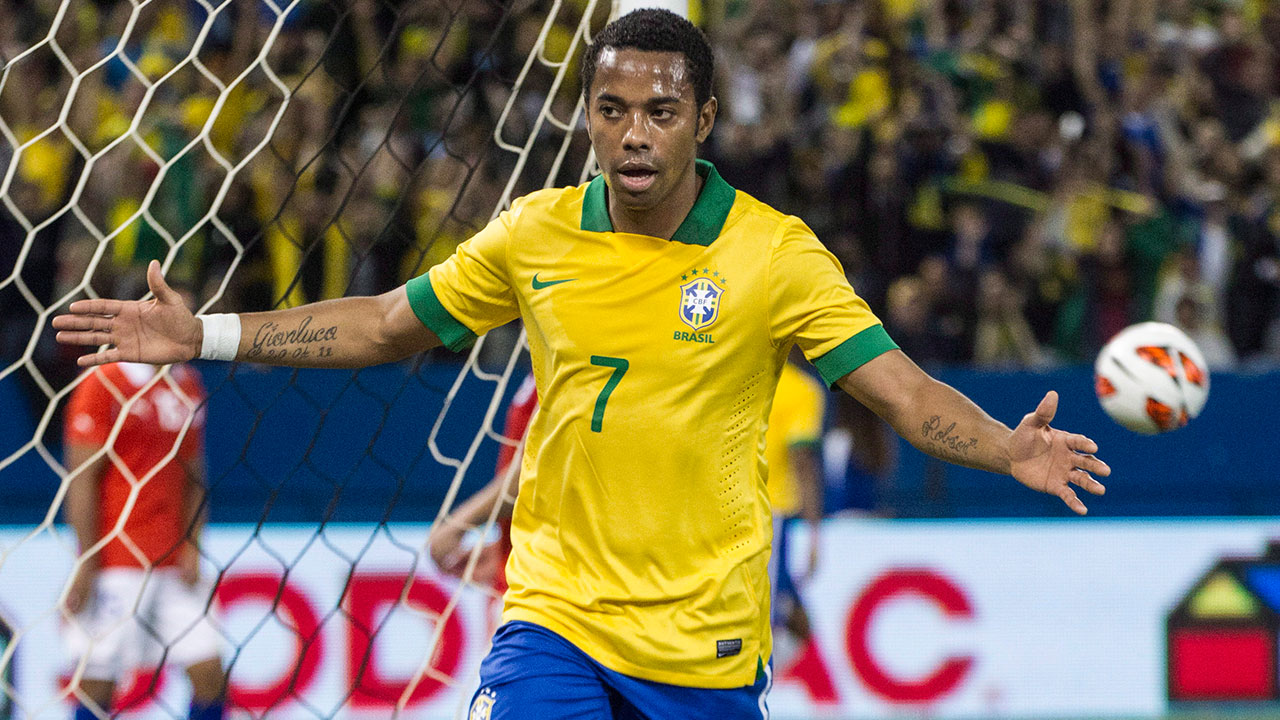
However, Robinho’s journey was not only about triumphs and dazzling moves. His career was also a lesson in resilience. Football, like life, is unpredictable. Injuries, transfers, and the pressures of top-level competition tested him repeatedly. Yet even when faced with setbacks, Robinho’s style of play never lost its spark. He adapted, evolved, and continued to captivate audiences worldwide. His dribbling was a metaphor for his approach to life: a blend of audacity, adaptability, and creativity. Each time he took to the pitch, he reminded the world that football is not only about statistics and trophies—it is about expression, artistry, and joy.
Another hallmark of Robinho’s dribbling was his ability to inspire teammates. Great dribblers do not only create opportunities for themselves—they open up space, draw defenders, and allow others to shine. In this sense, Robinho’s influence extended beyond his own movements. His presence on the field could lift the performance of an entire team, creating a rhythm and momentum that opponents found difficult to counter. Watching him play was not merely about admiration; it was about understanding the subtle interplay between individual brilliance and collective effort. His dribbling told a story, but it was one in which everyone involved had a part to play.
Robinho’s style also embodied the cultural essence of Brazilian football. There is a term in Brazil—“ginga”—which refers to a fluid, rhythmic, and playful style of movement. Robinho embodied ginga in every dribble, every feint, and every turn. He reminded the world that football is not merely a sport but a celebration, a dance, and a way of life. From the streets of Brazil to the grand stages of Europe, his dribbling conveyed joy, creativity, and a fearless embrace of possibility. In this way, Robinho was more than a footballer—he was a storyteller, an artist, and a symbol of the beautiful game.
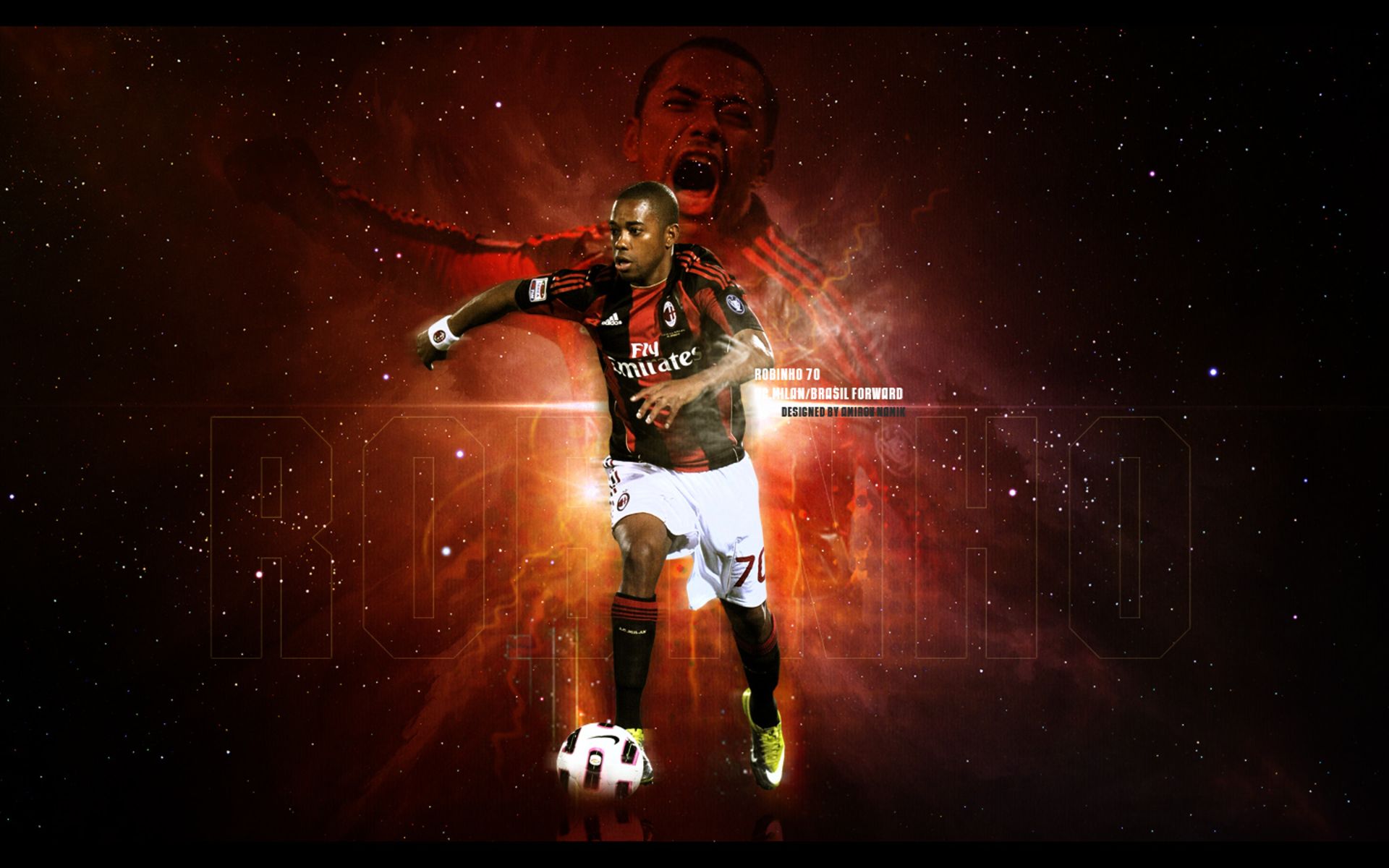
Despite his many accomplishments, Robinho’s story is also a reminder that talent alone does not define a career. The challenges he faced, both on and off the field, shaped his journey. Yet even in moments of difficulty, the magic of his dribbling never faded. Each step, feint, and sprint reminded fans and critics alike of the beauty and unpredictability of football. Robinho’s legacy is not only measured in goals or assists but in the way he made the game feel alive, vibrant, and full of possibility.
In conclusion, Robinho’s dribbling is more than a technique—it is an art form. It is a language that speaks of creativity, instinct, and joy. It reminds us that football is not merely about winning or losing, but about expression, imagination, and the thrill of the moment. Every time he danced past a defender, every time he painted a story with his feet, Robinho reaffirmed the magic of the sport. In a world of tactics, statistics, and strategy, he reminded us why we fall in love with football: for the beauty, the flair, and the stories that unfold with every touch of the ball. Robinho’s journey through football is a testament to what happens when talent meets creativity, when instinct meets vision, and when a player dares to dance past defenders not just to win, but to inspire.